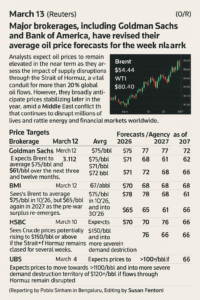
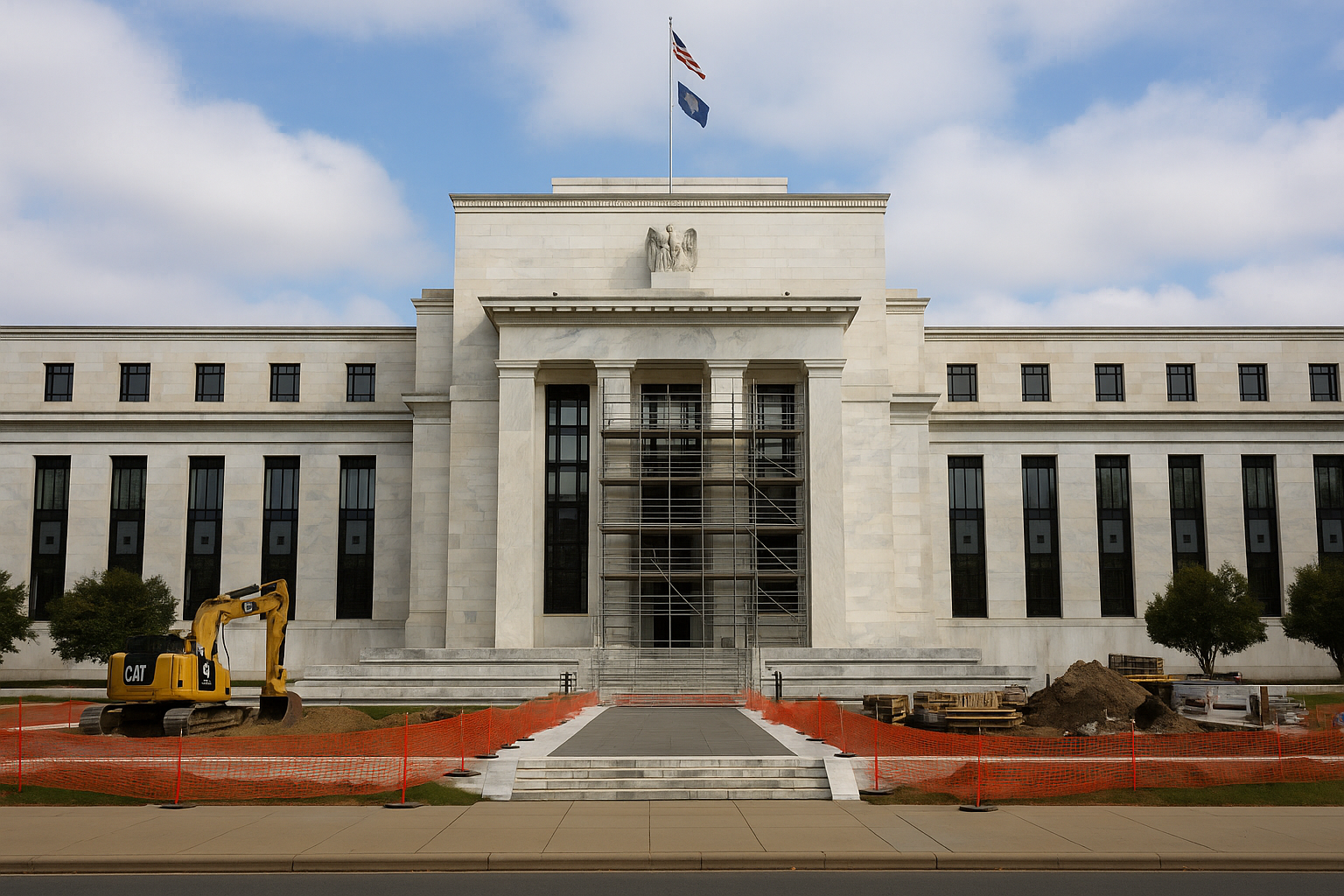
As renovations continue at the Federal Reserve Board building in Washington, D.C., almost all major central banks in developed markets opted to maintain their interest rates this week. However, they underscored their willingness to take action against inflation, particularly in light of the energy market disruptions stemming from the ongoing U.S.-Israeli conflict in Iran. This geopolitical uncertainty has led traders to significantly revise their expectations away from monetary easing by the Federal Reserve and towards possible rate increases by other central banks like the European Central Bank and the Bank of England. The Reserve Bank of Australia, already in a tightening cycle, raised its rates once again, reflecting its concern over rising inflation risks linked to the conflict. In this context, we analyze the positions of the top ten developed market central banks, detailing their current policy rates and outlooks.